Key points
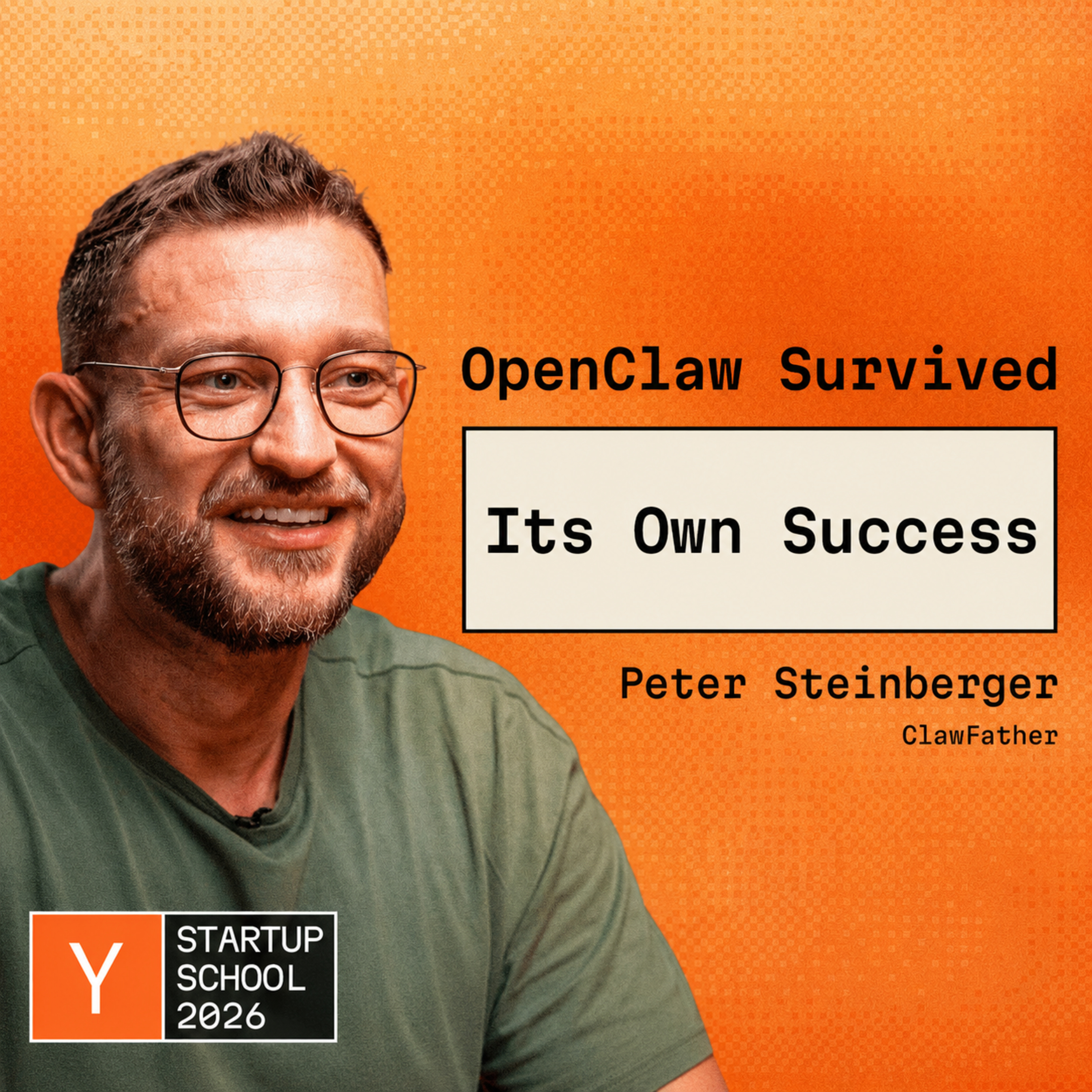
- OpenClaw, Peter Steinberger's open source agent, began as a WhatsApp relay, drew more than 18,000 issue or pull request contributors, and was renamed after Anthropic demanded it.
- Steinberger nearly deleted OpenClaw after his phone number leaked, but NVIDIA's early security help brought the joy back by May.
- He says perpetually running agents are constrained by token costs, with a stale heartbeat burning 600,000 tokens.
OpenClaw's viral rise and the toll of sudden fame
OpenClaw began as a WhatsApp relay that Peter Steinberger built to send prompts from his phone to his computer, then became a viral open source AI agent after he added friends and opened a public Discord. Success brought a cost. A security scare, an Anthropic name change, middle-of-the-night press and a phone-number leak pushed him close to deleting it, while NVIDIA's early help and the return of fun by May kept it alive. He now runs a ten-person foundation and argues the next wave of proactive agents is constrained by token budgets rather than technology.
Takeaways
- Fun is velocity, until it stops. It stopped being fun around February. He had stopped using his own product and nearly deleted OpenClaw after someone leaked his phone number. NVIDIA asked what he needed and sent people to take over security work, and by May the joy returned.
- Security scare far outran correction. The press said 20 percent of OpenClaw's skills were malicious. Steinberger scanned all 67,000 skills and counted about 0.3 percent, then shipped a paper on it. He says a correction never travels as far as a scare.
- Anthropic warning cut deeper than rename. Anthropic demanded a name change and gave a 24-hour warning that it would disable a subscription. The warning hurt because his harness had long been optimized for Opus. The project was renamed repeatedly before settling on OpenClaw.
- OpenClaw contributions reached unusual scale. More than 18,000 people opened an issue or pull request, over 111,000 in total. Almost 3,000 have commits. Weekly downloads were 835,000 in May at the bottom, then 4.7m after the project was declared dead in June.
- Proactive agents are a token problem. Steinberger says perpetually running claws could be built today, but a subscription would not get far. A stale heartbeat sent 600,000 tokens. The common automation pattern is a trigger or input that does something for you, sometimes with a decision in the way.
- Reliability improved as models improved. He messed up reliability for a while because he was not focused and the models were not good at testing. Now he runs 12 sub-agents in Codex. If 10 sessions run tests at once, about two time out and must be redone.
Steinberger's playbook for a next startup
- Build something you would use. User number one should be you, and his users two through 20 were friends.
- Work on visibility, because everything you build can be forked or cloned but your name cannot.
- Pick something hard and boring.
- Listen to your gut and stay focused. Fix the things that annoy you because they might become the next big thing.